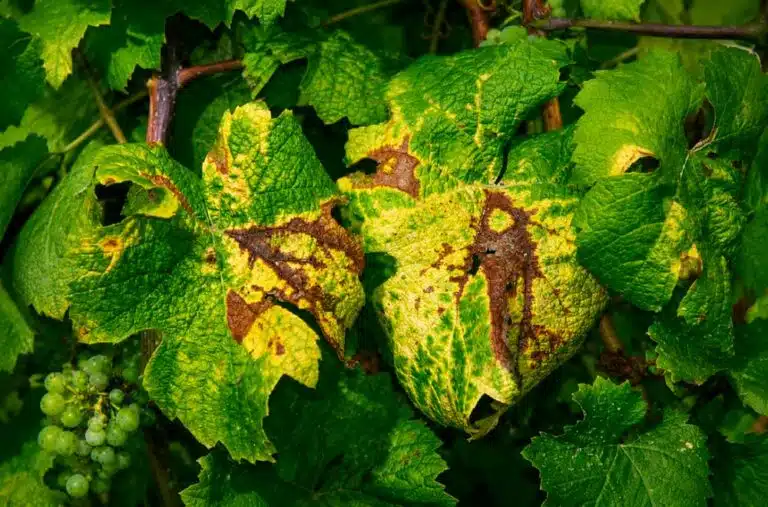
The 2026 Champagne harvest will certainly be remembered by winegrowers for years to come. Heat, drought, exceptionally rapid grape ripening and a historically early harvest all contributed to an unusual growing season. Although yields were not always as high as expected, the quality of the grapes harvested appears particularly promising.
This year also highlights some of the new challenges facing the Champagne vineyards. How can sufficient acidity be preserved when grapes reach high sugar levels very early? How should harvest dates be adapted? What impact does drought have on yields? And how will these particular conditions influence future blends?
Here are the main lessons to be learned from the 2026 Champagne harvest.
A Historically Early 2026 Champagne Harvest
The first defining feature of the 2026 harvest was undoubtedly how early it began.
The first grapes were picked at the beginning of August in some parts of the appellation. In Montgueux, in the Aube department, harvesting began as early as 6 August 2026. In the Marne, the first grapes were picked just a few days later.
These exceptional dates can be explained by an unusually rapid growing cycle. High spring temperatures and, above all, successive periods of intense heat from May onwards considerably accelerated grape ripening.
In Champagne, choosing the harvest date is particularly important. The aim is not simply to obtain ripe grapes: winegrowers must find the best possible balance between ripeness, sugar, acidity and aromatic expression.
In 2026, this balance changed very quickly, requiring winegrowers to monitor their vineyards daily and sometimes adjust their harvesting schedules at very short notice.
Plenty of Sunshine and Sugar Levels Reached Very Early
Sunshine naturally plays an essential role in grape ripening. Through photosynthesis, the vine produces sugars that gradually accumulate in the grapes.
In 2026, high temperatures and abundant sunshine accelerated this process.
The grapes therefore reached particularly high potential alcohol levels very early in the season. This rapid ripening can be beneficial in producing rich, aromatic grapes, but it also represents a real challenge when making Champagne.
The quality of a great Champagne does not depend solely on the amount of sugar in the grapes.
It relies on achieving the right balance between:
- ripeness;
- sugar levels;
- natural acidity;
- freshness;
- aromas;
- and the health of the grapes.
When temperatures are high, sugar levels can rise rapidly while acidity decreases.
Lower Acidity: A New Challenge for Champagne
Acidity is one of Champagne’s historic signatures.
The region’s relatively cool climate has traditionally made it possible to harvest grapes with naturally high levels of acidity. This contributes to the freshness, tension and ageing potential of Champagne.
With increasingly warm summers, however, this balance is changing.
In 2026, professionals observed grapes that were very ripe and concentrated, but with generally lower acidity levels. The heat also resulted in unusually high potential alcohol levels.
This does not mean that the future Champagnes will be of lower quality. On the contrary, the grapes harvested in 2026 showed excellent health and promising levels of ripeness.
However, considerable precision will be required during winemaking and, in particular, during future blending in order to achieve the characteristic balance expected of Champagne.
Blending Will Require Even Greater Precision
Blending is one of Champagne’s defining skills.
It allows wines from different grape varieties, vineyard plots and sometimes different years to be combined in search of the right balance between freshness, fruit, structure, finesse and aromatic complexity.
A year such as 2026 makes this exercise particularly interesting.
With wines potentially richer, riper and lower in acidity, blending decisions may require even greater precision. Reserve wines from previous years can play an important role in maintaining the desired style and balance.
This is precisely one of the strengths of the Champagne model: the ability to draw on time, experience and the art of blending to work with the particular characteristics of each harvest.
Drought Significantly Reduced Yields
While quality appears promising, quantity is the weaker point of the 2026 harvest.
Champagne experienced significant drought as well as several periods of intense heat. The lack of water had a very tangible consequence: smaller berries and smaller bunches.
The grapes were therefore concentrated, but contained less juice.
According to the assessment presented by the Comité Champagne in early September, the average yield for the 2026 harvest was around 7,000 kg per hectare, although there were significant variations between different areas and individual vineyards.
By comparison, the marketable yield had been set at 8,800 kg/ha for 2026.
This means that many winegrowers were simply unable to reach the permitted yield.
The bunches themselves clearly illustrate the situation: their average weight was estimated at around 100 grams, compared with approximately 135 grams in a more typical year.
Permitted Yield and Actual Harvest: What Is the Difference?
It is important to distinguish between these two figures.
Every year, the Comité Champagne sets a marketable yield, corresponding to the quantity of grapes that can be used to meet the production requirements of the appellation.
For the 2026 harvest, this was set at 8,800 kg per hectare, compared with 9,000 kg/ha in 2025.
However, this figure is an economic and regulatory ceiling. It does not mean that every vineyard will actually produce this quantity.
Weather conditions, frost, drought, disease and the size of the grape bunches all influence the quantity actually harvested.
In 2026, spring frost followed by drought and intense summer heat had a significant impact on volumes. Some estates therefore completed their harvest well below the permitted marketable yield.
Fewer Grapes, but Excellent Grape Health
This is the paradox of the 2026 harvest: fewer grapes, but exceptionally healthy fruit.
The dry conditions that reduced yields also helped limit the pressure from certain diseases associated with damp weather.
Champagne professionals reported grapes in very good sanitary condition, with very few problems caused by rot or mildew in many areas.
For a winegrower, receiving healthy, ripe and concentrated bunches at the press is obviously an excellent starting point.
The smaller harvest is therefore partly compensated for by what appears to be very promising quality potential.
How Do Champagne’s Soils Help During Drought?
When faced with drought, the Champagne vineyards have one considerable natural advantage: chalk.
The chalky soils and subsoils characteristic of much of Champagne have a remarkable ability to store water.
Chalk acts rather like a sponge. It absorbs water during rainy periods and can then gradually release some of this moisture to the vine roots when rainfall becomes scarce.
This natural water reserve obviously does not make vines immune to severe drought, but it does help reduce water stress.
In Rilly-la-Montagne, in the heart of the Montagne de Reims, this distinctive geology plays an important role in the identity of the Premier Cru terroir where the vines of Champagne Delaunois Chanez are grown.
Choosing the Harvest Date Is Becoming Increasingly Strategic
As the climate evolves, deciding on exactly the right moment to harvest is becoming even more important.
Waiting a few extra days can allow grapes to develop greater aromatic maturity. However, when temperatures are high, those same few days can also cause sugar levels to rise rapidly and acidity to fall even further.
Conversely, harvesting too early may preserve freshness but could prevent the grapes from developing their full aromatic complexity.
The samples taken before harvest are therefore essential. Winegrowers monitor changes in:
- sugar levels;
- acidity;
- bunch weight;
- grape health;
- and aromatic maturity.
Every vineyard plot can develop differently depending on its exposure, soil, the age of the vines and the grape variety being grown.
Rilly-la-Montagne: Preserving the Balance of a Premier Cru Terroir
In Rilly-la-Montagne, a Premier Cru village in the Montagne de Reims, the search for this balance takes on its full meaning.
The terroir, hillside exposure and chalk soils all influence how the vines respond to high temperatures and water shortages.
For Champagne Delaunois Chanez, the work carried out in the vineyards throughout the year, together with careful monitoring of grape maturity, helps ensure that the fruit is harvested at the optimum moment.
This attention to detail is particularly important in a year as unusual as 2026.
What Can We Expect from Champagnes Produced from the 2026 Harvest?
Naturally, we will have to wait before tasting bottles containing wines from this harvest.
However, the first observations already provide some indication of the potential profile of the vintage.
The harvested grapes have generally been described as very healthy, ripe, concentrated and aromatic. The resulting wines could therefore offer greater richness, fruit and generosity.
On the other hand, lower acidity and higher potential alcohol levels will require particular attention during winemaking and blending.
The challenge will be to preserve the qualities that define Champagne: elegance, freshness and balance.
This is where the expertise of Champagne winemaking and the art of blending become particularly important.
Order Premier Cru Champagne from Rilly-la-Montagne Online
While the 2026 harvest already gives us a glimpse of the cuvées of the future, it is possible today to discover Premier Cru Champagnes produced from previous harvests.
Champagne Delaunois Chanez offers a range of cuvées made from grapes grown in Rilly-la-Montagne, in the heart of the Montagne de Reims.
You can discover the different cuvées and order Champagne directly online from the Champagne Delaunois Chanez online shop.
It is an excellent way to discover a Premier Cru Champagne directly from a grower and to better understand, through every bottle, the importance of terroir and the work carried out in the vineyards throughout the year.
Conclusion: What Is the Overall Assessment of the 2026 Champagne Harvest?
The 2026 harvest will be remembered as a particularly unusual year for Champagne.
A historically early harvest, high temperatures, significant water shortages, smaller grape bunches and yields that did not always reach the permitted level: climatic conditions had a major impact on this year’s harvest.
From a quality perspective, however, the picture is considerably more encouraging.
The grapes showed excellent health, good ripeness and impressive concentration. High sugar levels reached very early in the season and lower acidity now represent the main challenge for winemakers and those responsible for blending.
Ultimately, this harvest illustrates the complexity of the winegrower’s profession. The objective is not simply to produce as many grapes as possible, but to harvest them at exactly the right moment to achieve the balance required for making great Champagne.
In Rilly-la-Montagne, Champagne Delaunois Chanez continues to pursue this commitment to quality on its Premier Cru terroir. And for those who would like to discover its cuvées without waiting for the future wines from the 2026 harvest, the full range of Champagnes can be ordered directly online from the estate’s official website.