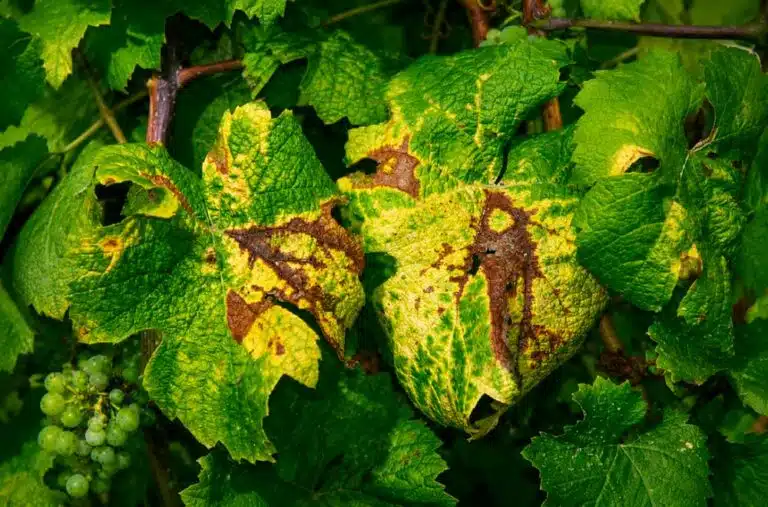
The Champagne vineyards are closely connected to nature. Every vintage is the result of a delicate balance between sunshine, rainfall, temperatures and the expertise of the winegrowers. In recent years, one question has become increasingly common among both wine lovers and professionals: is drought changing the timing of the Champagne harvest?
Searches for terms such as Champagne drought, Champagne harvest dates, climate change in Champagne, Champagne grape sugar levels and Champagne grape quality have risen significantly. Consumers are eager to understand how weather conditions influence the taste and quality of the Champagnes they enjoy.
Although water shortages represent an increasing challenge for winegrowers, Champagne also benefits from unique natural advantages that help preserve the exceptional quality of its grapes. Here’s why.
Why Are Champagne Harvests Starting Earlier?
For many years, the Champagne harvest traditionally began during the month of September.
Today, however, it is no longer unusual for the first grapes to be picked during the second half of August. Several early harvests have occurred in recent years as a direct consequence of hotter summers and more frequent periods of drought. Extended heatwaves accelerate grape ripening, encouraging winegrowers to begin harvesting earlier in order to preserve the ideal balance between sugar and acidity.
Contrary to popular belief, however, the harvest date is never determined months in advance. Each year, it depends on numerous factors observed directly in the vineyards.
Drought: A Challenge for the Vine
Water is essential for vine growth, yet grapevines have a remarkable ability to withstand relatively dry conditions.
When drought becomes more severe, several changes occur:
- the grapes remain smaller;
- juice yield decreases;
- sugar concentration increases;
- certain aromas become more intense.
At first glance, this may appear beneficial. However, excessive water stress can also slow vine development, halt grape ripening and upset the natural balance of the fruit.
The winegrower’s role is therefore to manage the vineyard so that the vines experience only moderate water stress—enough to improve quality without compromising the harvest.
Champagne’s Chalk Soils: An Exceptional Advantage
One of Champagne’s greatest assets is something few wine regions can claim: its famous chalk soils.
The chalk acts like a natural sponge.
During rainy periods, it absorbs and stores large quantities of water. During dry weeks, this reserve is gradually released to the vine’s deep root system.
This unique characteristic helps to:
- reduce the impact of summer drought;
- provide a more consistent water supply;
- encourage gradual and even grape ripening.
This is one of the reasons why Champagne grapes generally retain excellent freshness, even after particularly hot summers.
In Rilly-la-Montagne, a Premier Cru village located in the heart of the Montagne de Reims, this remarkable geological heritage contributes directly to the identity of the wines produced by Champagne Delaunois Chanez.
The Return of Trees to the Vineyards
As climate change continues to reshape viticulture, many winegrowers are rediscovering the benefits of agroforestry.
Planting or preserving trees around vineyard plots offers numerous advantages:
- reducing soil erosion;
- limiting water evaporation;
- enhancing biodiversity;
- providing habitats for beneficial insects and birds;
- improving soil structure through root systems.
Trees also help create a more favourable microclimate around the vines.
This approach forms part of a more sustainable style of viticulture, where every element of the landscape contributes to the balance of the ecosystem.
Although not every vineyard has the same opportunities for this type of development, the growing interest in agroforestry reflects Champagne’s commitment to adapting to climate change.
How Is the Harvest Date Decided?
Contrary to what many people believe, there is no single harvest date for the whole Champagne region.
Every year, grape samples are collected throughout the vineyards to analyse:
- sugar content;
- acidity;
- grape health;
- seed maturity;
- the development of each grape variety.
These analyses help determine the optimum time to begin harvesting in each village.
Pinot Noir, Meunier and Chardonnay do not all ripen at exactly the same pace. Likewise, a south-facing vineyard may reach maturity several days before another located on a cooler hillside.
This precision is essential to preserve the identity and quality of future Champagnes.
Harvest Quotas: Why Isn’t Every Grape Picked?
The Champagne production system is unique in the world.
Each year, the Comité Champagne sets a commercial yield, defining the maximum quantity of grapes that may immediately be used to produce Champagne. This mechanism allows production to match market demand while ensuring the long-term sustainability of the appellation.
This system offers several benefits:
- preserving grape quality;
- preventing overproduction;
- maintaining long-term economic stability;
- creating reserve stocks to compensate for more difficult vintages.
This collective management is one of Champagne’s greatest strengths.
Sugar Levels: A Key Indicator of Quality
During warm, sunny days, photosynthesis becomes more active.
The grapes accumulate more sugar, which is essential for the future fermentation process.
However, a great Champagne is not simply the result of high sugar levels.
Winegrowers are above all seeking the perfect balance between:
- sugar concentration;
- natural acidity;
- aromatic richness;
- healthy grapes.
Grapes that are rich in sugar but lacking acidity would produce a Champagne that is less fresh and less elegant.
It is precisely this balance that has earned Champagne’s finest terroirs their worldwide reputation.
Harvest Time: The Most Important Moment of the Year
Harvest remains one of the highlights of the wine-growing calendar.
In Champagne, grapes are harvested exclusively by hand.
Hand harvesting makes it possible to:
- preserve the integrity of the grape bunches;
- carry out an initial selection directly in the vineyard;
- transport the grapes to the press in perfect condition.
Every single day counts.
Harvesting just a few days too early—or too late—can significantly influence the aromatic profile of the future wines.
This is why vineyard teams closely monitor grape development throughout the weeks leading up to harvest.
Rilly-la-Montagne: A Terroir Adapting to Climate Change
Located in the heart of the Montagne de Reims, Rilly-la-Montagne benefits from the prestigious Premier Cru classification.
The combination of:
- chalk-rich soils;
- well-exposed slopes;
- the Champagne climate;
- and generations of winegrowing expertise
produces grapes of remarkable finesse, even as climatic conditions become increasingly challenging.
Each year, Champagne Delaunois Chanez carefully harvests its grapes at the optimum moment in order to preserve the freshness, balance and elegance that define its cuvées.
Order Premier Cru Champagne Directly from the Producer
Understanding the work carried out in the vineyard allows you to appreciate every bottle even more.
On the official Champagne Delaunois Chanez website, you can discover a range of Premier Cru Champagnes produced from grapes grown on the exceptional terroir of Rilly-la-Montagne.
Whether you are looking for a Champagne for an aperitif, a fine dining experience, a celebration or a gift, you can order directly online, with secure delivery throughout France.
Accueil
Buying directly from the producer offers complete traceability, a direct relationship with the estate and excellent value for money.
Conclusion
Drought and climate change are gradually transforming the work of Champagne winegrowers. Harvest dates are evolving, grape ripening is occurring earlier, and vineyard practices continue to adapt in order to preserve exceptional grape quality.
Fortunately, Champagne benefits from remarkable natural advantages. Its chalk soils, collective organisation, centuries of viticultural expertise and continuous capacity for innovation enable the region to meet these new challenges while maintaining a level of quality recognised throughout the world.
In Rilly-la-Montagne, Champagne Delaunois Chanez continues to uphold these high standards by producing Premier Cru Champagnes that faithfully reflect the richness of their terroir. Thanks to grapes harvested at precisely the right moment and expertise passed down through generations, every cuvée expresses the perfect harmony between nature and the work of skilled winegrowers.